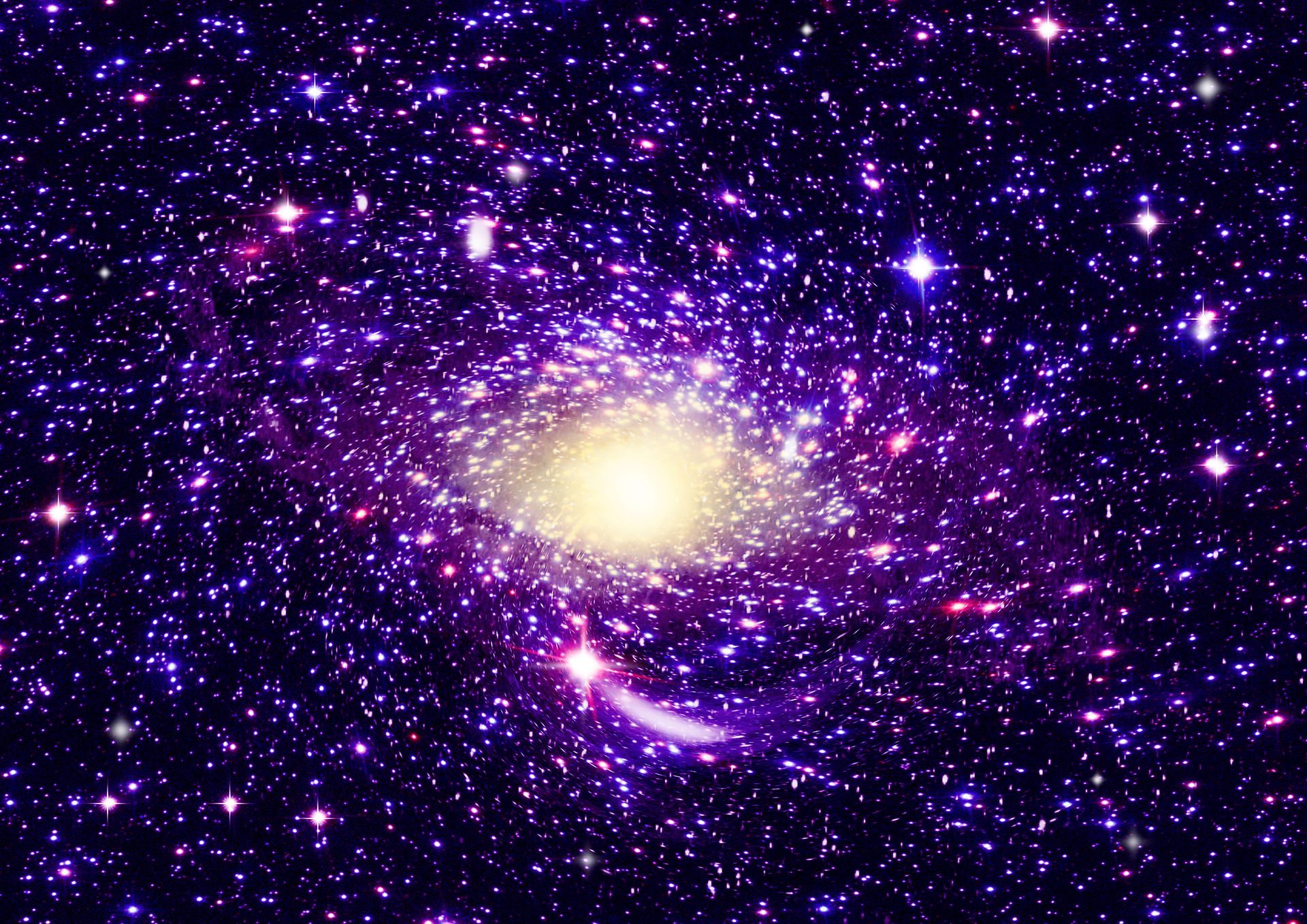


The Evolution of Science Fiction Themes
Science fiction has long been a mirror reflecting humanity's hopes, fears, and curiosities about the future. Over the decades, the genre has evolved dramatically, adapting to technological advances and societal changes. This evolution is not just about new gadgets or alien worlds but also about the shifting themes that explore what it means to be human in an ever-changing universe.
The Rise of Modern Sci-Fi Themes
Modern sci-fi themes have expanded beyond traditional space exploration and futuristic technology. Today, they delve into complex issues such as artificial intelligence, genetic engineering, and environmental collapse. These themes resonate with contemporary audiences because they address real-world concerns through speculative storytelling.
For example, the theme of artificial intelligence often explores the ethical dilemmas of creating sentient machines. Stories like Ex Machina and Westworld question what rights AI should have and how their existence challenges human identity. Similarly, genetic engineering themes, seen in works like Gattaca, examine the consequences of manipulating human DNA, raising questions about morality and social inequality.
Environmental themes have also gained prominence, reflecting growing awareness of climate change. Sci-fi narratives like The Windup Girl and Snowpiercer imagine futures shaped by ecological disaster, urging readers to consider the impact of their actions on the planet.

Exploring the Big 3 of Science Fiction
When discussing the evolution of science fiction, it is impossible to ignore the influence of the "Big 3" authors: Isaac Asimov, Arthur C. Clarke, and Robert A. Heinlein. These writers laid the foundation for many modern sci-fi themes and continue to inspire new generations of storytellers.
Isaac Asimov is renowned for his Foundation series and the Robot series, which introduced the famous Three Laws of Robotics. His work often focused on the relationship between humans and machines, exploring themes of logic, ethics, and societal structure.
Arthur C. Clarke brought a sense of wonder and scientific plausibility to his stories. His novel 2001: A Space Odyssey is a landmark in sci-fi literature and film, blending cosmic mystery with technological advancement. Clarke's themes often revolved around space exploration and the potential for human evolution.
Robert A. Heinlein was known for his provocative ideas and complex characters. His works, such as Stranger in a Strange Land and Starship Troopers, tackled social, political, and philosophical issues, pushing the boundaries of what science fiction could address.
Together, these authors shaped the genre's trajectory, influencing how modern sci-fi themes are developed and presented.

The Impact of Technology on Sci-Fi Storytelling
Technology has always been a driving force behind science fiction, but its rapid advancement in recent years has transformed the genre. Modern sci-fi themes now incorporate cutting-edge concepts like virtual reality, quantum computing, and space colonization.
Virtual reality, for instance, allows stories to explore the nature of reality and identity. Films like Ready Player One and The Matrix immerse audiences in digital worlds, questioning what is real and what is simulated. This theme challenges readers to think about the implications of living in increasingly digital environments.
Quantum computing and advanced physics have introduced new possibilities for storytelling. Concepts like parallel universes and time travel are explored with greater scientific grounding, making the narratives more plausible and engaging.
Space colonization remains a staple of science fiction, but modern stories often focus on the social and ethical challenges of establishing new societies beyond Earth. Works like The Expanse series highlight political intrigue, resource management, and cultural clashes in space, reflecting contemporary concerns about globalization and sustainability.

How Modern Sci-Fi Themes Reflect Society
Science fiction has always been a reflection of the times, and modern themes are no exception. They often serve as a commentary on current social, political, and environmental issues.
For example, themes of surveillance and privacy have become prominent in response to the digital age. Stories like Black Mirror explore the dark side of technology, warning about the loss of personal freedom and the consequences of mass data collection.
Diversity and representation have also become important themes. Modern sci-fi increasingly features protagonists from varied backgrounds, challenging traditional norms and promoting inclusivity. This shift not only enriches storytelling but also broadens the genre's appeal.
Moreover, the exploration of mental health and human psychology has gained traction. Sci-fi narratives now delve into the complexities of the mind, using futuristic settings to explore trauma, identity, and consciousness.
Embracing the Future of Science Fiction
The future of science fiction is as exciting as its past. Emerging technologies and global challenges will continue to inspire new themes and stories. Writers and creators are pushing boundaries, blending genres, and experimenting with narrative forms to keep the genre fresh and relevant.
For those interested in exploring the rich tapestry of science fiction themes, there is a wealth of material that spans from classic tales to cutting-edge speculative fiction. Engaging with these stories can provide not only entertainment but also insight into the human condition and the possible futures that await us.
As science fiction evolves, it remains a vital space for imagination, critique, and hope. Whether through books, films, or games, the genre invites us to dream big and think deeply about the world we live in and the one we might create.
This exploration of modern sci-fi themes highlights the genre's dynamic nature and its ability to adapt to changing times. By understanding its evolution, readers and creators alike can appreciate the power of science fiction to inspire, challenge, and transform.



Comments